

Hajo is a historic town in Assam known for sacred places associated with Hinduism, Buddhism and Islam, making a day trip from Guwahati a chance to visit several pilgrimage sites. It is about 24.9 km from Royal Heritage, a Guwahati hotel by place coordinates; this is not a road distance or travel time.
- What to see: Hayagriva Madhava Temple, Poa-Mecca and other religious sites in or near Hajo.
- Time to allow: A day is enough to visit Hajo’s pilgrimage sites.
- When to go: Hajo is recommended for visits from October through April.
- Bus planning: Check current service details with ASTC before relying on a bus for the trip.
Why visit Hajo from Guwahati?
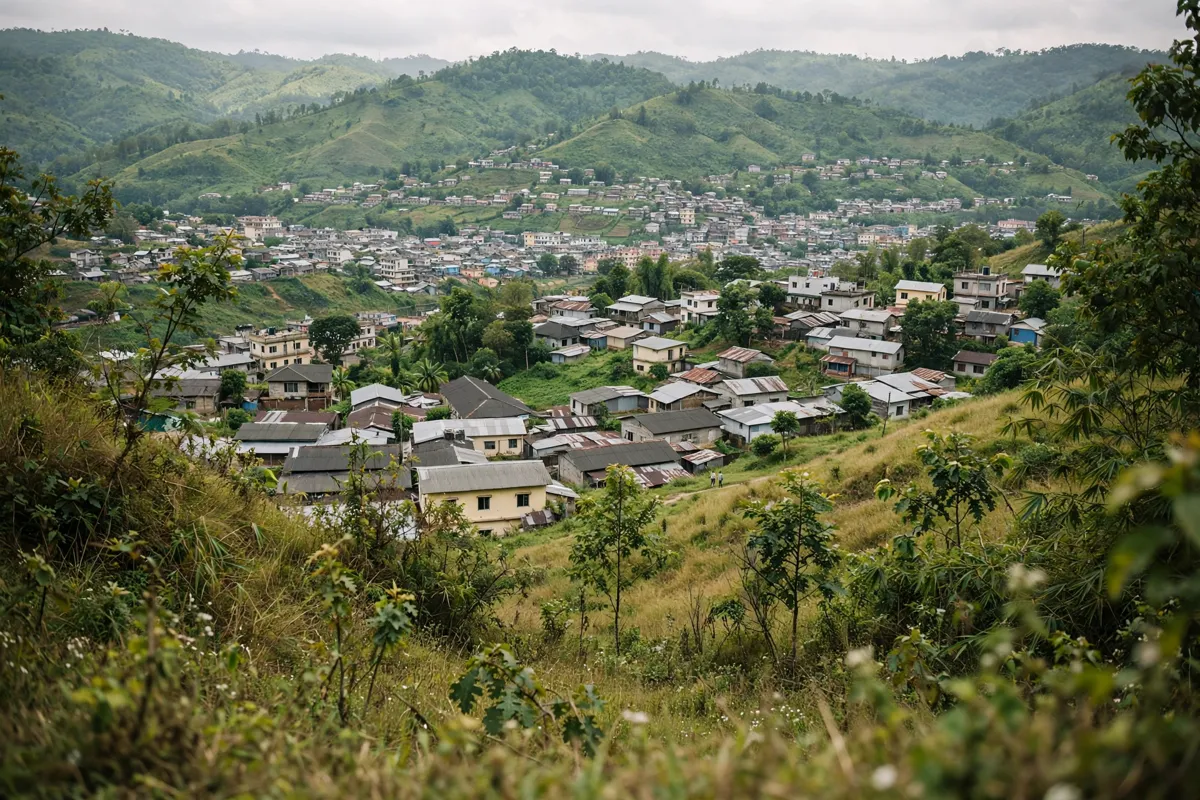
Hajo brings together religious sites linked to Hinduism, Buddhism and Islam in one historic town. The Hayagriva Madhava Temple is a key stop, while Poa-Mecca offers a different religious landmark and a chance to see more of Hajo’s varied sacred heritage.
Hajo is recommended for visits from October through April, and a day is enough to visit its pilgrimage sites. If you want to add a craft-focused stop to a broader outing, the weavers’ village of Sualkuchi is a place to visit alongside Hajo’s religious sites.
How do you get from Guwahati to Hajo?
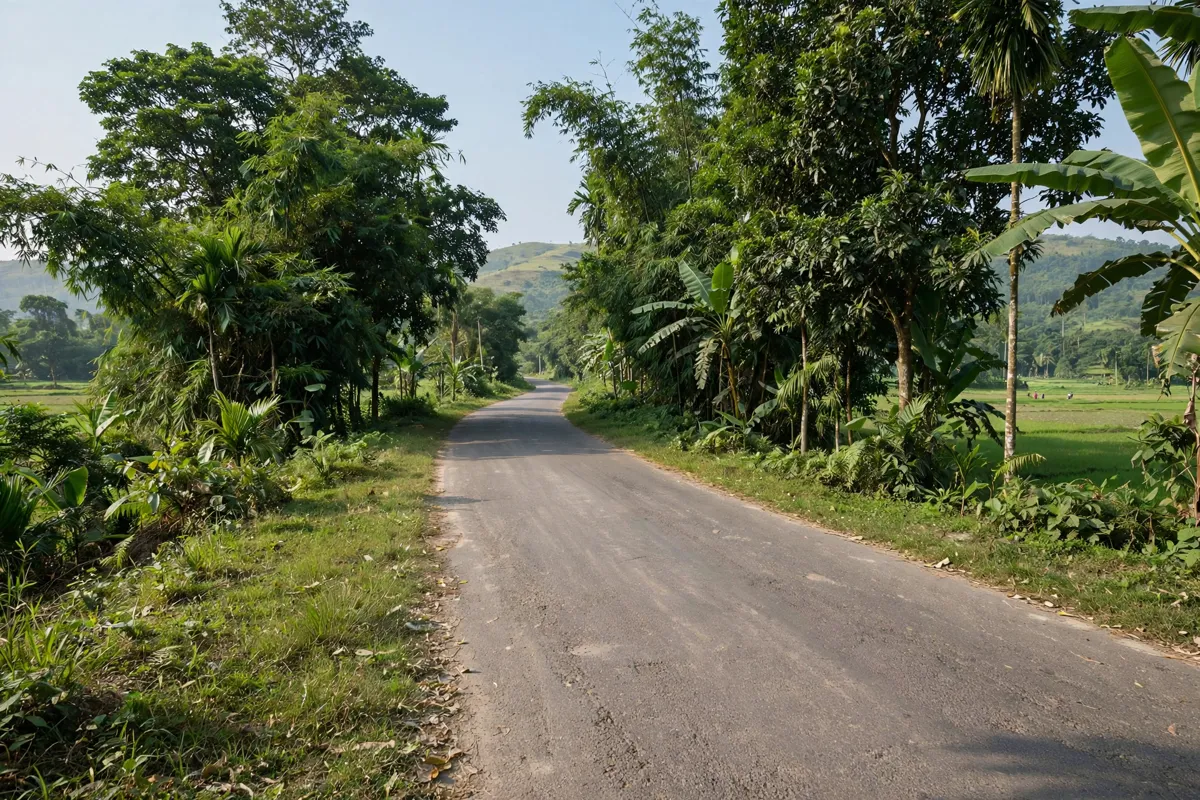
For the Hayagriva Madhava Temple, bus-station access points include Biahata Chariali and Guwahati. ASTC offers station-wise timetables, including a City Service–Noonmati Depot timetable. Check the official site before you go, and confirm the route, departure point and return arrangements with ASTC.
If you are comparing a Hajo outing with time in the city, a one-day Guwahati itinerary arranged by area can help you think through the city portion separately.
Which religious and cultural places should you include?
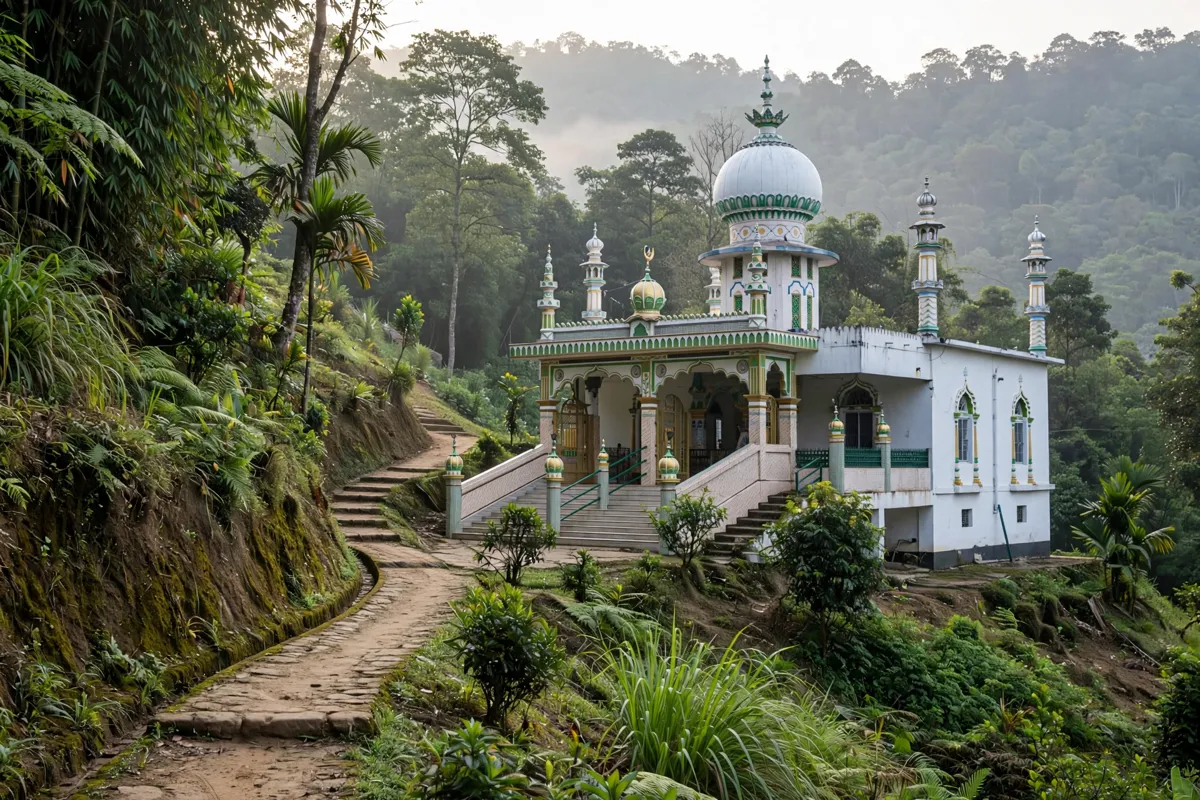
Start with the Hayagriva Madhava Temple on Manikut Parvat, also called Monikut hill in district records. It is a Vaishnava shrine dedicated to Lord Vishnu. Koch king Raghudeva rebuilt the temple in 1583 over foundations of temple ruins dated to the 10th–11th centuries CE.
Poa-Mecca is a 16th-century mosque and the mazar of Giasuddin Auliya. Other places in or near Hajo include Kedar and Kaleswar temples on Madanachal and Kameswar Temple on Gokarna Hill. Choose the sites that fit your day, keeping in mind that the temple, mosque and hilltop locations make for a varied pilgrimage itinerary.
Doul, Bihu and Janmastami are celebrated every year at the Hayagriva Madhava Temple. Festival timing can shape what is happening at the site, so verify details with the relevant local or official source before planning around a particular celebration.
How should you plan your time and return transport?
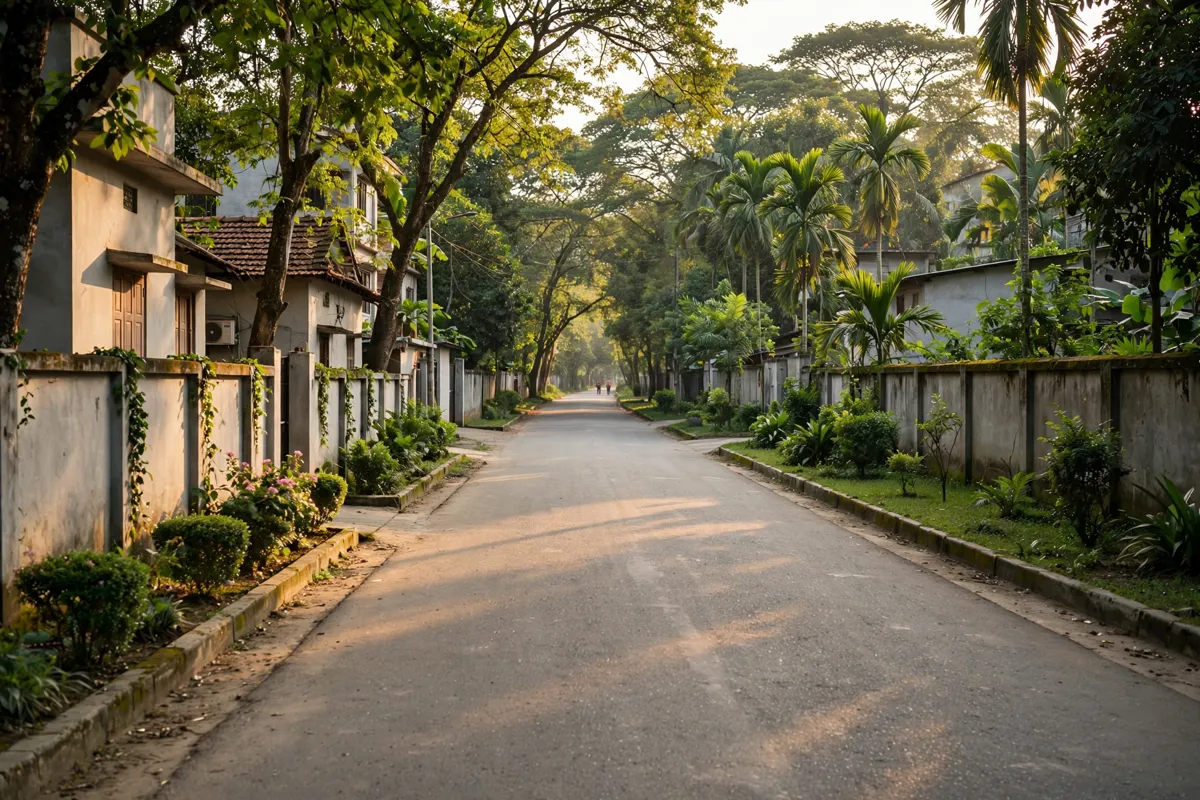
Set aside a day for Hajo’s pilgrimage sites and decide your return transport before leaving Guwahati. For a bus trip, ask ASTC to confirm the departure point, current service and return options.
If you arrange another road transfer, agree on the return plan before setting out. This keeps the day focused on the sites rather than leaving transport decisions until you are ready to head back.
FAQs
Is Hajo suitable for a day trip from Guwahati?
Yes. A day is enough to visit Hajo’s pilgrimage sites.
What is Hajo known for?
Hajo is known for sacred places associated with Hinduism, Buddhism and Islam, including the Hayagriva Madhava Temple and Poa-Mecca.
Is there a confirmed direct bus from Guwahati to Hajo?
Confirm the current route and return arrangements with ASTC before relying on a bus.
When is Hajo recommended for a visit?
Hajo is recommended for visits from October through April.